
The result? Faster deployments, fewer production incidents, and happier developers who can ship code without fear.
- Training the team on when to use each approach
- Setting up automated flag cleanup to remove technical debt
- Adding feature flags for any feature that takes longer than a sprint
- Keeping feature branches short (under 3 days when possible)
Start by:
Implementing This Strategy
By combining these approaches, you maintain code quality through pull requests while gaining the flexibility to deploy incomplete features safely.
- Use feature flags for: Long-running features, gradual rollouts, A/B testing, and production toggles
- Use feature branches for: Short-lived development cycles (1-3 days), major refactoring, and experimental work
The most effective teams use both approaches strategically:
The Best of Both Worlds
- Quick Rollback: Disable problematic features instantly without redeploying
- Gradual Rollouts: Test features with specific users before full release
- Faster Feedback: Code review on smaller, incremental changes
- Continuous Integration: Code is merged daily, reducing merge conflicts
This approach offers several advantages:
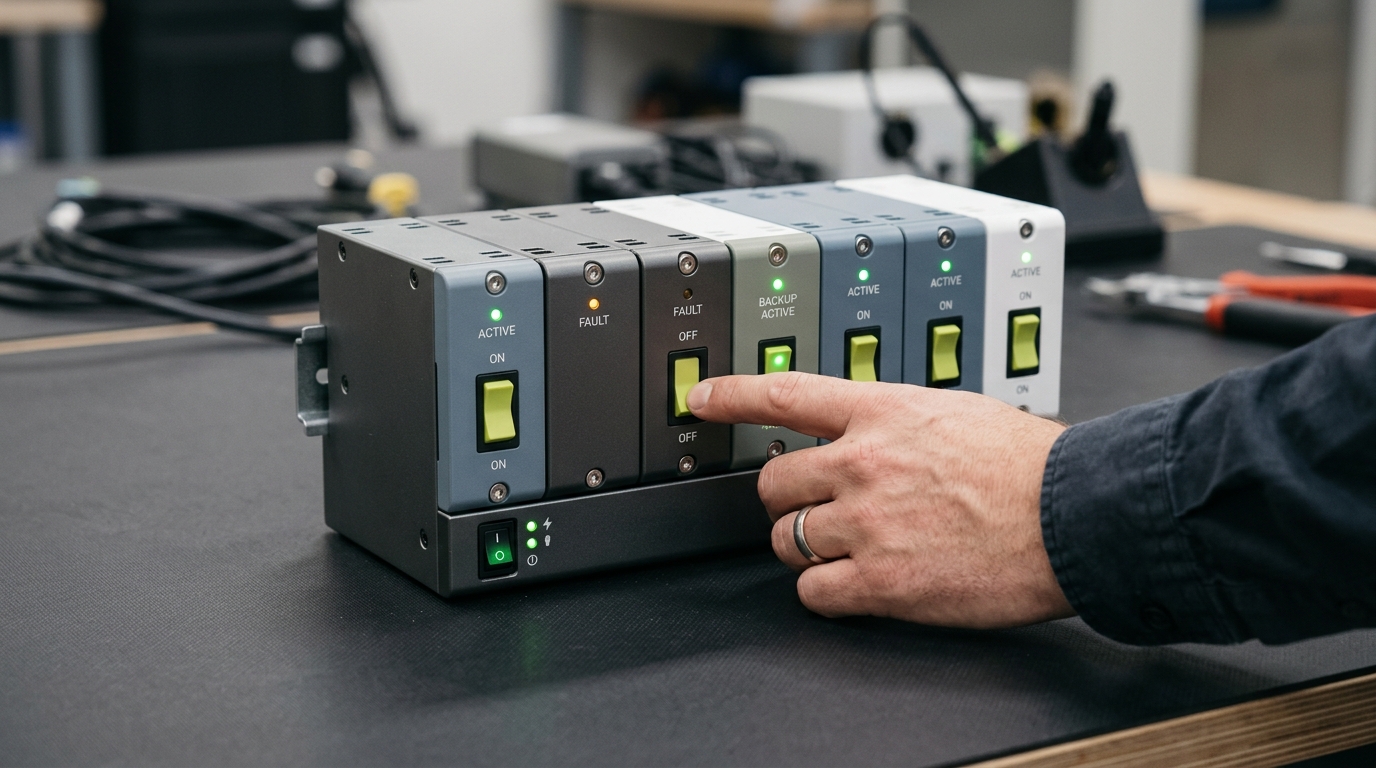
Feature flags (also called feature toggles) provide runtime control over feature visibility. Instead of merging code only when it's "done," you merge continuously but hide incomplete features behind flags.
Enter Feature Flags
However, long-lived feature branches come with risks: merge conflicts, integration problems, and the dreaded "big bang" merge that can take days to resolve.
- Collaborative work on large features
- Complex refactoring that touches many files
- Experimental work that might be discarded
- Code review processes
Feature branches allow developers to work in isolation, keeping incomplete work separate from the main codebase. This isolation is crucial for:
The Feature Branch Workflow
Feature flags and feature branches are both powerful tools in modern software development, but they serve different purposes and work best when used together. Understanding when and how to use each can dramatically improve your team's velocity and reduce deployment anxiety.